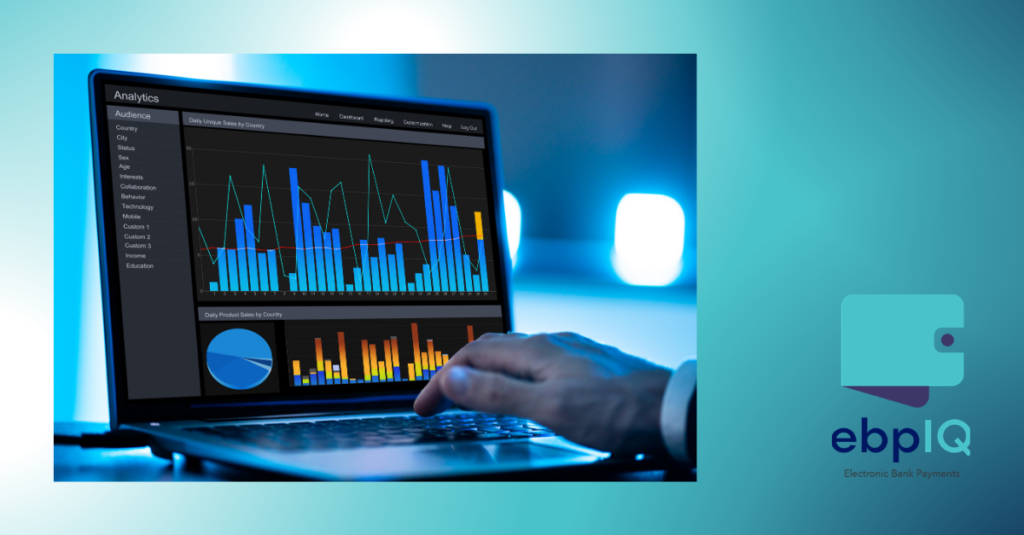
When organizations want to improve payment monitoring, the first instinct is often to invest in a new dashboard. More charts, more widgets, and more data may look like progress, but they do not automatically create stronger oversight.
The real question is not only what teams can see. It is what they can learn from that information and how quickly they can use it to make better decisions.
Dashboards Display Information, Monitoring Creates Understanding
A payment dashboard can organize transaction volumes, alerts, exceptions, and performance indicators in one place. This is useful, but presentation is only one part of an effective monitoring strategy.
Strong payment monitoring helps teams understand:
- Which signals indicate emerging risk
- How payment behavior is changing
- Whether an exception is isolated or recurring
- Which alerts require immediate investigation
- What operational action should follow
Without this context, even a visually impressive dashboard can become another screen filled with information that teams rarely use.
More Data Can Create More Noise
Adding more metrics does not always improve operational visibility. When dashboards present large amounts of disconnected information, important signals can become harder to identify.
This can contribute to alert fatigue, inconsistent investigations, and slower response times. Teams may spend too much effort reviewing routine activity while significant payment risks remain hidden in the noise.
Effective Monitoring Starts With the Right Questions
Technology should support a clearly defined monitoring strategy. Before adding new dashboards or reports, financial institutions need to identify the operational questions they are trying to answer.
Those questions may include:
- Where are payment exceptions increasing
- Which accounts show unusual behavioral changes
- What processes create repeated delays
- Which alerts have the greatest potential impact
- How quickly are issues investigated and resolved
Starting with meaningful questions helps organizations choose the data, thresholds, and workflows that support real operational decisions.
Connected Data Reduces Payment Blind Spots
Payment information is often distributed across processing systems, fraud tools, spreadsheets, reports, and operational teams. A dashboard that pulls from only one source may provide a clean view while leaving important blind spots untouched.
Effective payment monitoring connects activity across systems and channels. This makes it easier to recognize patterns, investigate anomalies, and understand how an event in one area may affect the broader payment environment.
Context Makes Alerts More Useful
An alert is valuable only when teams understand why it was generated and what it may mean. Context such as historical behavior, transaction frequency, payment amounts, recipients, and previous exceptions can help determine whether activity is routine or requires attention.
When monitoring provides this supporting information, teams can prioritize investigations more accurately and reduce time spent on false positives.
Automation Should Focus Attention, Not Add Work
Automation can strengthen monitoring by identifying meaningful changes, organizing alerts, and maintaining consistent oversight across large transaction volumes.
Its purpose should be to reduce repetitive review and direct human attention toward exceptions that require expertise. A dashboard that produces more manual work without improving prioritization is not solving the underlying monitoring problem.
Measure Monitoring by the Decisions It Supports
The effectiveness of payment monitoring should not be measured by the number of dashboards, data points, or alerts an organization creates.
A stronger measure is whether monitoring helps teams:
- Detect issues earlier
- Investigate with better context
- Respond more consistently
- Reduce unnecessary manual effort
- Improve fraud prevention and operational resilience
These outcomes show whether visibility is translating into meaningful operational value.
Build a Monitoring Strategy Beyond the Dashboard
At ebpIQ, we believe great monitoring begins with visibility, not visualization. It connects payment data, automates the identification of meaningful anomalies, and gives teams the context needed to act confidently.
Better dashboards can support that strategy, but they cannot replace it. The goal is not to display more information. It is to use payment intelligence to help financial institutions understand payment activity, recognize risk, and make better decisions.
Turn Payment Monitoring Into Better Decisions
Better monitoring is not about adding another dashboard. It is about giving payment teams the visibility, context, and intelligence they need to identify what matters and act sooner.
See how ebpIQ can help your financial institution move beyond disconnected data and manual monitoring with clearer payment visibility and more actionable insights.
Request an ebpIQ Demo to see how smarter payment monitoring can support faster investigations, stronger risk management, and more confident payment decisions.